The 3 Generations of Time Tracking
Understanding where workforce intelligence is heading requires looking at how time tracking evolved:
Generation 1: Attendance & Punch Cards (1990s - 2000s)
Physical presence in the office was the only metric. High presence was equated with high productivity, regardless of actual output quality.
Generation 2: Digital Manual Timesheets (2010s)
Employees manually entered daily or weekly numbers into digital timesheets. Often plagued by human recall errors, unbilled hours, and high administrative friction.
Generation 3: Predictive AI Workforce Intelligence (2025+)
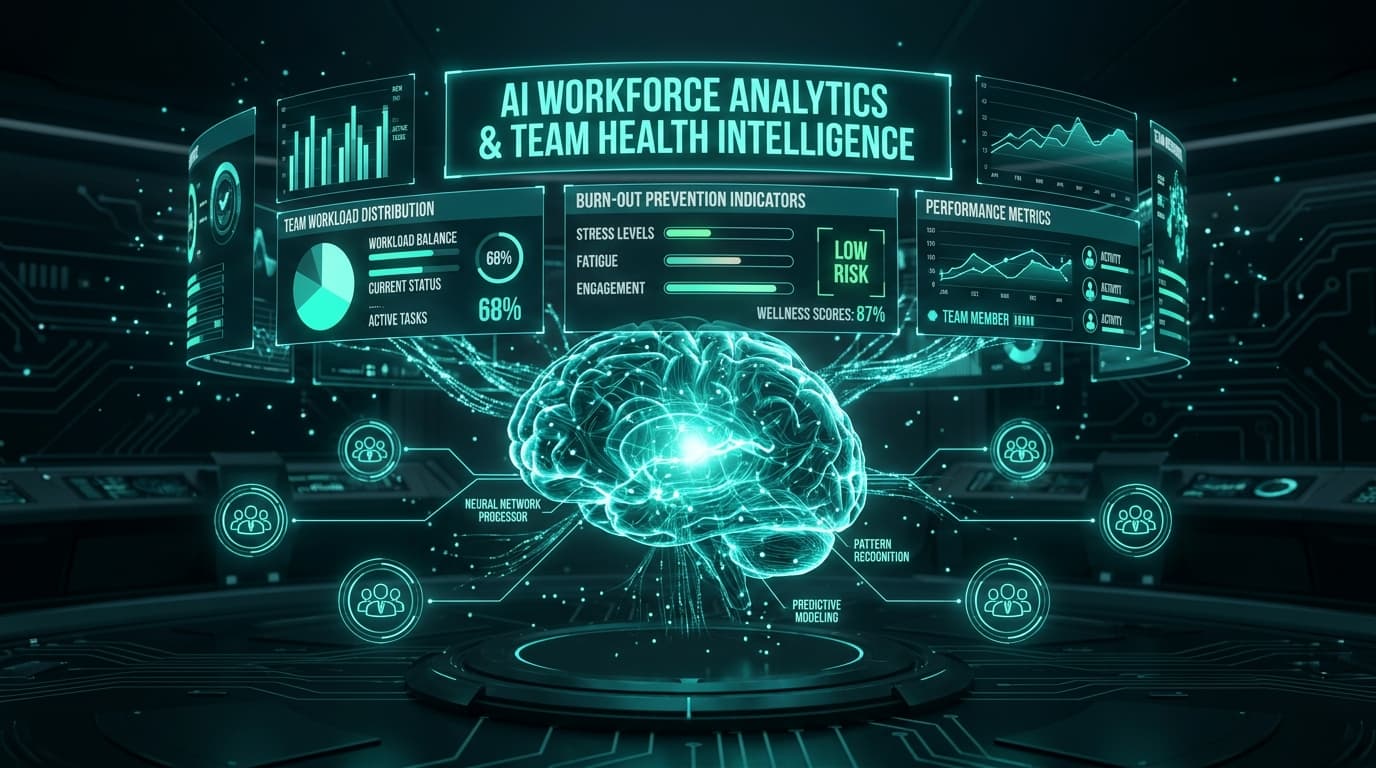
Context-aware, automated tracking that correlates software usage, focus patterns, and project velocity to predict delivery timelines and safeguard team wellbeing.
reduction in timesheet review time when AI pre-screens logs for anomalies and budget thresholds.
higher retention of key engineering and creative talent when proactive burnout alerts are utilized.
estimation accuracy on multi-month project deliverables with historical capacity modeling.
1. Predictive Burnout & Overwork Signals
Voluntary employee turnover is one of the most expensive hidden liabilities in modern business. Replacing a specialized developer, designer, or project lead costs between 50% and 200% of their annual salary in recruitment and ramp-up costs.
Through TrackLabs AI-powered time tracking, algorithms identify early distress signals long before an employee hands in their resignation:
- Chronic Overtime Spikes: Automated alerts when an individual exceeds 48+ logged hours for three consecutive weeks.
- Fragmented Focus Degradation: Flagging when uninterrupted deep-work blocks drop below 20% of a knowledge worker’s schedule.
- Asymmetric Workload Concentration: Identifying team bottlenecks where 20% of the team is shouldering 80% of critical-path deliverables.
2. Automated Timesheet Anomaly Resolution
Managers frequently waste hours reviewing hundreds of lines in manual timesheets to catch minor errors, overlapping intervals, or timers left running overnight.
With TrackLabs employee timesheet software, AI automatically analyzes entries in the background:
❌ Manual Timesheet Pain
- Managers spend 2+ hours every Monday reviewing spreadsheet rows
- Forgotten timers go unnoticed until invoices bounce
- Payroll delays cause employee frustration
- Discrepancies require awkward 1-on-1 interrogations
✅ AI-Powered Resolution
- Instant one-click approvals for validated clean entries
- Automatic flags for idle overtime or overlapping tasks
- Seamless sync with payroll engines (Xero, Deel, Wise)
- Objective, verified activity logs that preserve trust
3. Data-Driven Capacity Planning & Forecasting
When planning quarterly product roadmaps or taking on new enterprise client commitments, leadership teams typically rely on optimistic “gut feelings” about team velocity.
By tapping into workforce analytics and reporting, historical task durations create precise forecasting baselines:
- Task Archetype Modeling: Understand the true average hours required to deliver UI designs, backend APIs, or QA test cycles.
- Real Available Bandwidth: Factor in realistic non-billable overhead (standups, training, time-off) to calculate realistic delivery dates.
- Hiring Triggers: Know precisely when incoming project volume justifies hiring new full-time personnel versus engaging specialized contractors.
4. Ensuring Hybrid Workplace Fairness
Hybrid organizations frequently struggle with “proximity bias”—the tendency to favor in-office employees over remote peers simply because they are physically visible.
TrackLabs creates a level playing field by measuring objective output and verified project milestones regardless of physical location. Remote employees receive equal visibility and recognition for their hard work, boosting team cohesion across geographic borders.
How to Implement AI Workforce Analytics
Enable Automated Background Activity Categorization
Categorize applications across design, engineering, communication, and administrative tasks to start building your baseline intelligence dataset.
Set Custom Burnout & Overwork Alerts
Configure team thresholds for maximum weekly hours, minimum rest intervals, and meeting load limits to protect cognitive wellness.
Integrate with Project Milestones
Connect TrackLabs to Jira, Asana, GitHub, or ClickUp to automatically align logged hours with sprint tickets and client deliverables.
Conclusion & Strategic Takeaways
In an era where operational efficiency and talent retention determine market leadership, modern companies cannot afford to rely on antiquated timesheets. By embracing predictive AI workforce analytics, organizations unlock sustainable productivity, fair compensation, and a resilient, high-trust workplace culture.
Transform Your Workforce Intelligence with TrackLabs
Supercharge your team’s productivity, eliminate administrative overhead, and prevent employee burnout with AI-powered time analytics. Start your free trial today.
Frequently Asked Questions
Ready to boost your team productivity?
Start your free 2-day trial with TrackLabs. No credit card required.
No credit card required · Setup in minutes · Cancel anytime